Women’s Impact in Lawn Bowls
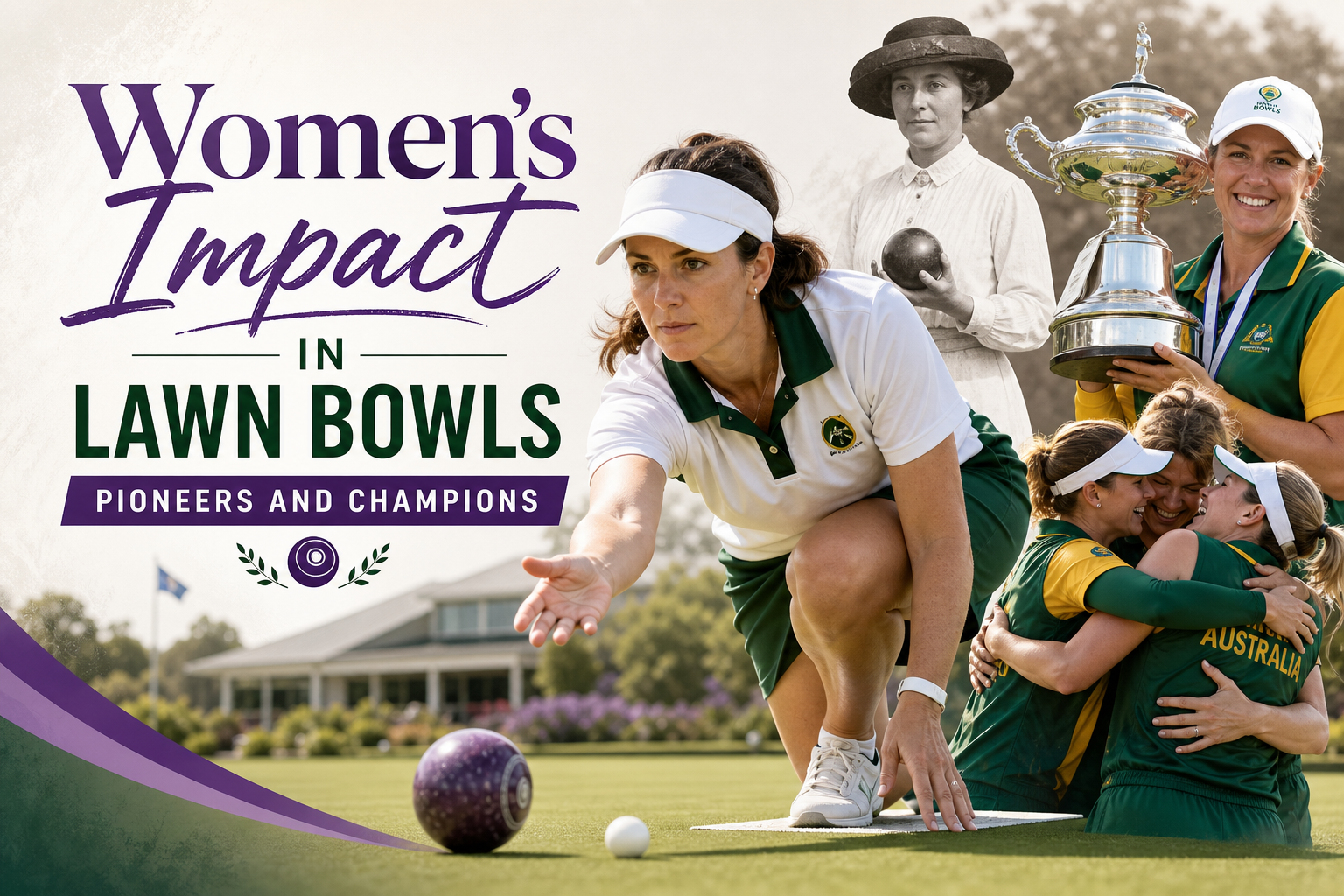
The landscape of lawn bowls has been irrevocably shaped by the presence and contributions of women. From the early 20th century to the present day, female bowlers have broken barriers and paved the way for future generations.
Historical Pioneering
Women entered the realm of lawn bowls in the 1920s, with the first women’s championship taking place in 1926. Figures like Margaret E. Tissot set precedents by becoming the first female winner of the World Bowls Championship. This moment marked a significant departure from recreational play to a competitive format that would attract serious athletes.
Growth and Development
Women’s participation in lawn bowls has continued to grow, underscoring their critical role within the sport. National federations were established to promote local competitions and empower female bowlers. Today, they represent a significant percentage of total bowlers globally, a testament to the sport’s inclusivity and outreach efforts.
Champions in Focus
Contemporary champions like Lisa Featherby and Karen Murphy exemplify excellence in lawn bowls. Featherby brought home a gold medal from the Commonwealth Games, illustrating the competitive prowess of women athletes. Similarly, Murphy has garnered numerous international titles, showcasing the skill and dedication of female bowlers on the world stage.
Cultural and Social Impact
Women in lawn bowls have transcended athletics by fostering community, driving inclusivity, and advocating for equal recognition in sport. Initiatives promoting mixed-gender tournaments have further solidified their place in the sport, demonstrating the benefits of collaboration and shared passion.
As we celebrate the strides made by women in lawn bowls, it is evident that their influence extends far beyond the green. From pioneers to champions, they continue to inspire future generations, ensuring that the legacy of female bowlers will thrive for years to come.